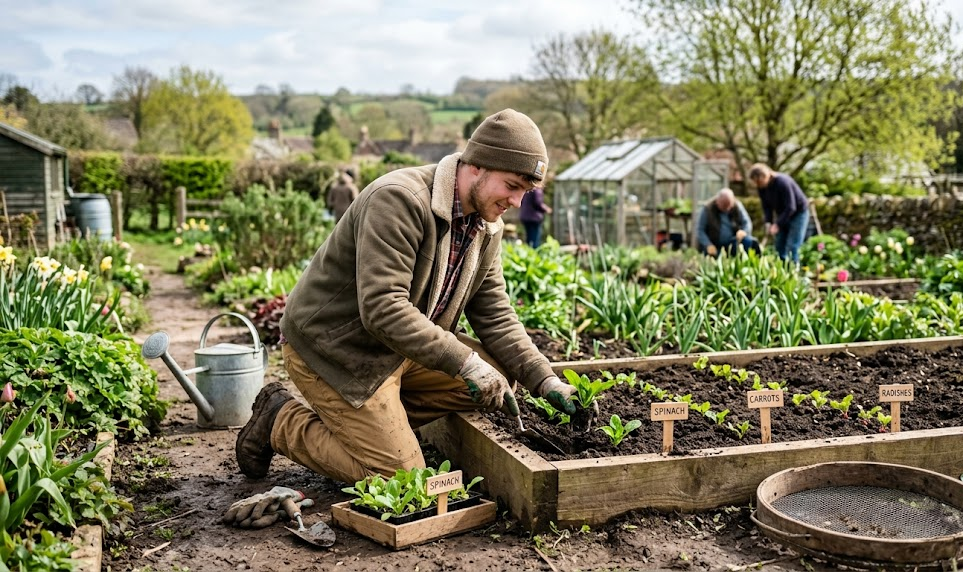
Spring has arrived, and it’s time to pay attention to your garden. The soil is warming up, the days are getting longer, and every part of your outdoor space is a project waiting for your care. For new gardeners, this season is exciting but can also be confusing.
According to RHS, over half of all UK adults (34 million) garden regularly, but less than a quarter consider themselves as “gardeners.” This difference between gardening and feeling confident about it shows that being prepared can really help.
Getting the basics right from the start saves you time, money, and frustration later on. Think of your garden like a home renovation: having good tools and preparing well will give you better results. Skipping important steps now can lead to issues in the summer.
Let’s explore the seven things every new gardener needs this spring.
At Mason and Painter, we help you improve your home and garden with clear advice, smart ideas, and proven renovation tips.
Essential Things Every Gardener Needs This Spring
Here are the seven essential things every new gardener should have ready before the season starts:
1. Start With Healthy, Enriched Soil
Good gardening starts with the soil. Before planting seeds or plants, ensure to prepare the soil. Add organic matter like:
- Garden compost
- Well-rotted manure
- Leaf mould
This will improve the soil’s structure and nourish the ecosystem beneath the surface.
If you have sandy soil, adding organic materials helps it retain moisture. For clay soils, it makes them easier to work and reduces waterlogging. Healthy soil leads to healthier plants.
2. Choose the Right Hand Tools
Having a few good tools is more helpful than owning many cheap ones. A sturdy trowel, a hand fork, a border spade, and a rake will handle most spring tasks. Choose stainless steel heads and solid wooden or fibreglass handles. They last longer, feel better to use, and are easier to clean. Avoid buying sets you do not require. Start with basics and add more tools as your garden grows.
A recent HTA report found that sales for garden tools rose by 15%. This rise in tool and equipment purchases as spring begins means popular items sell quickly, so organising your tools early gives you a real advantage.
3. Create a Planting Calendar
Knowing what to plant and when can greatly improve your results. A planting calendar doesn’t need to be complicated. List the crops or flowers you want to grow, check their sowing and planting dates, and count back from your last frost date.
Plant hardy annuals earlier. Wait until after mid-May to plant tender plants. Having a clear plan helps you avoid rushing and losing young plants to a late cold snap.
Source: elfords.co.uk/
4. A Dedicated Potting Space
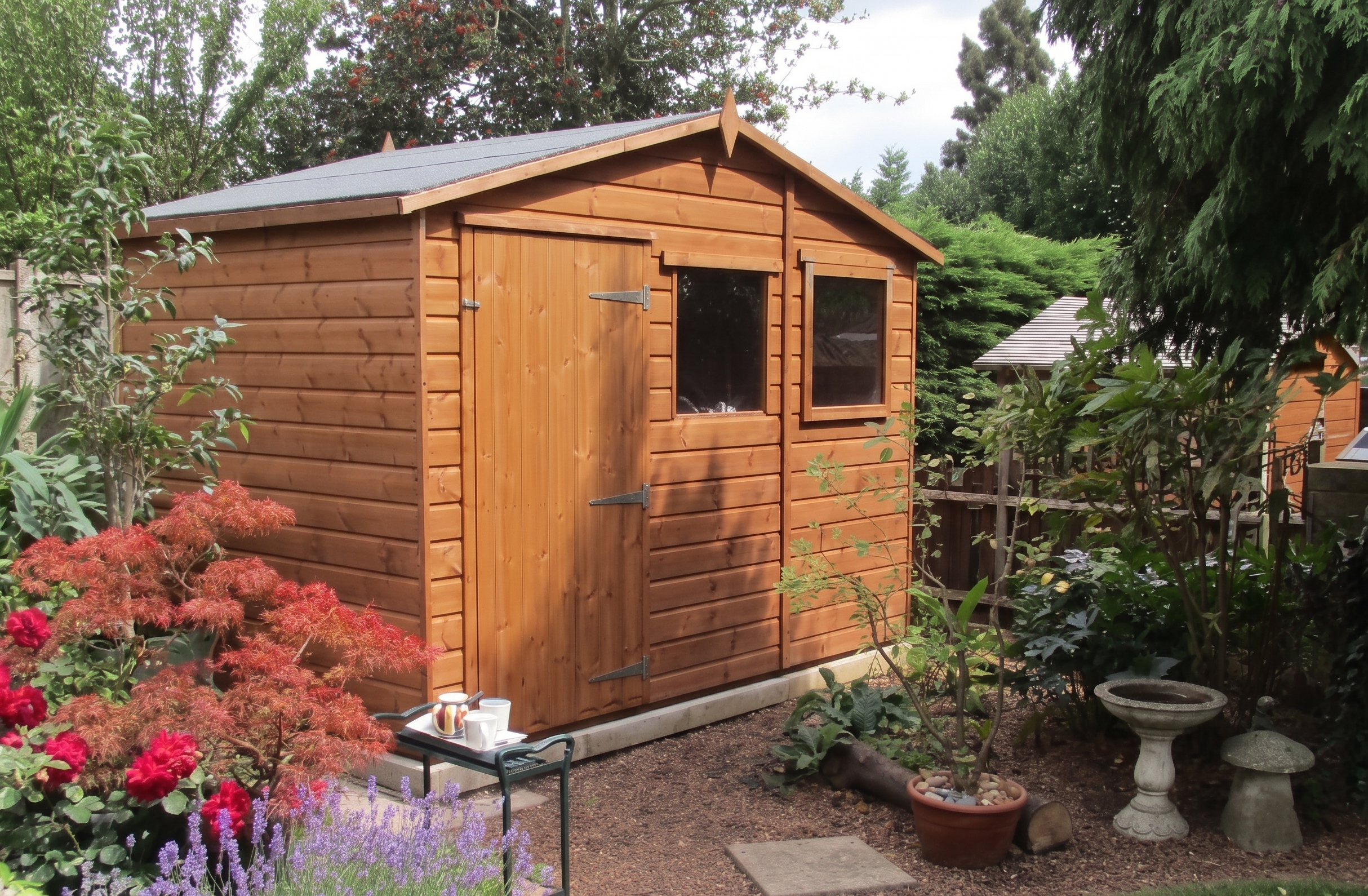
Every gardener needs a good workspace. A dry, sheltered area to pot seedlings, store compost, and keep tools organised makes your work easier. Without a proper space, you might end up using a wobbly patio table in the rain or searching for a trowel that has moved to different spots in the garden.
Having a space to pot seedlings, store tools, and stay dry during sudden April showers improves your gardening experience. A strong timber shed or workshop gives you a good base to work from. For anyone serious about gardening, this is a practical need, not just an addition.
5. Stock Up on Quality Compost and Feed
Not all bagged compost is the same. Multi-purpose compost works perfectly for most container gardening and seed sowing. For better outcomes with specific plants, such as ericaceous plants, vegetables, or bulbs, use specialised mixes.
Along with compost, include a balanced slow-release fertiliser to provide new plants with nutrients throughout the growing season. It’s best to prepare these supplies before planting, rather than trying to find them later in the season.
6. Set Up a Watering System That Works
Young plants need regular watering during dry spells in April and May. A watering can with a fine rose works well for seedlings. For raised beds or larger areas, using a drip irrigation kit or soaker hose saves time and delivers water directly to the roots. Watering by hand every evening can be enjoyable, but it can also become tiring. A simple system helps keep watering on track, even on busy days.
7. Add a Vertical Growing Element
A trellis, pergola, or freestanding arch incorporates structure and depth to a flat garden. Climbing plants like clematis, sweet peas, or trained roses draw the eye upward and create layers in your planting. These vertical structures also help you make the most of small spaces, allowing for more growing area without expanding your garden beds. Opt for a structure that fits the size of your garden and place it to enhance the overall look.
For clear advice on different types of structures and the best climbers for them, take a look at this practical guide to garden trellis ideas and planting.
Conclusion
To have a successful spring garden, start preparing early. Get your soil ready, keep your tools in good condition, and create a planting schedule. These steps are essential for beginners.
In addition to the basics, maintain an organised workspace, use high-quality compost, and plan your watering schedule. This will help your plants grow year-round. Setting up vertical structures early will give your plants the support they need to thrive.
By taking these steps now, you will enjoy the results of your hard work as the season progresses.Have a garden project in mind? Get in touch with us at Mason and Painter, and we will help you move it forward.